If you are missing most or all of your teeth, full dentures can help restore your smile, speech, and ability to chew. Many patients feel unsure at first because they do not know how the process works, how long it takes, or what the adjustment period feels like.
This guide explains what to expect with full dentures in Meridian, Idaho, from consultation to long-term care. It is written for patients in Meridian, Boise, Eagle, Nampa, Kuna, and the Treasure Valley who are exploring dependable tooth replacement options.
Key Takeaway
Full dentures replace all teeth in the upper jaw, lower jaw, or both. The process may include an exam, impressions, bite records, extractions if needed, try-ins, final placement, and follow-up adjustments. Your timeline depends on oral health, healing, denture type, and whether implants are part of your treatment plan.
What Are Full Dentures?
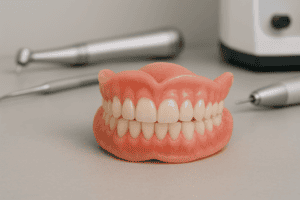
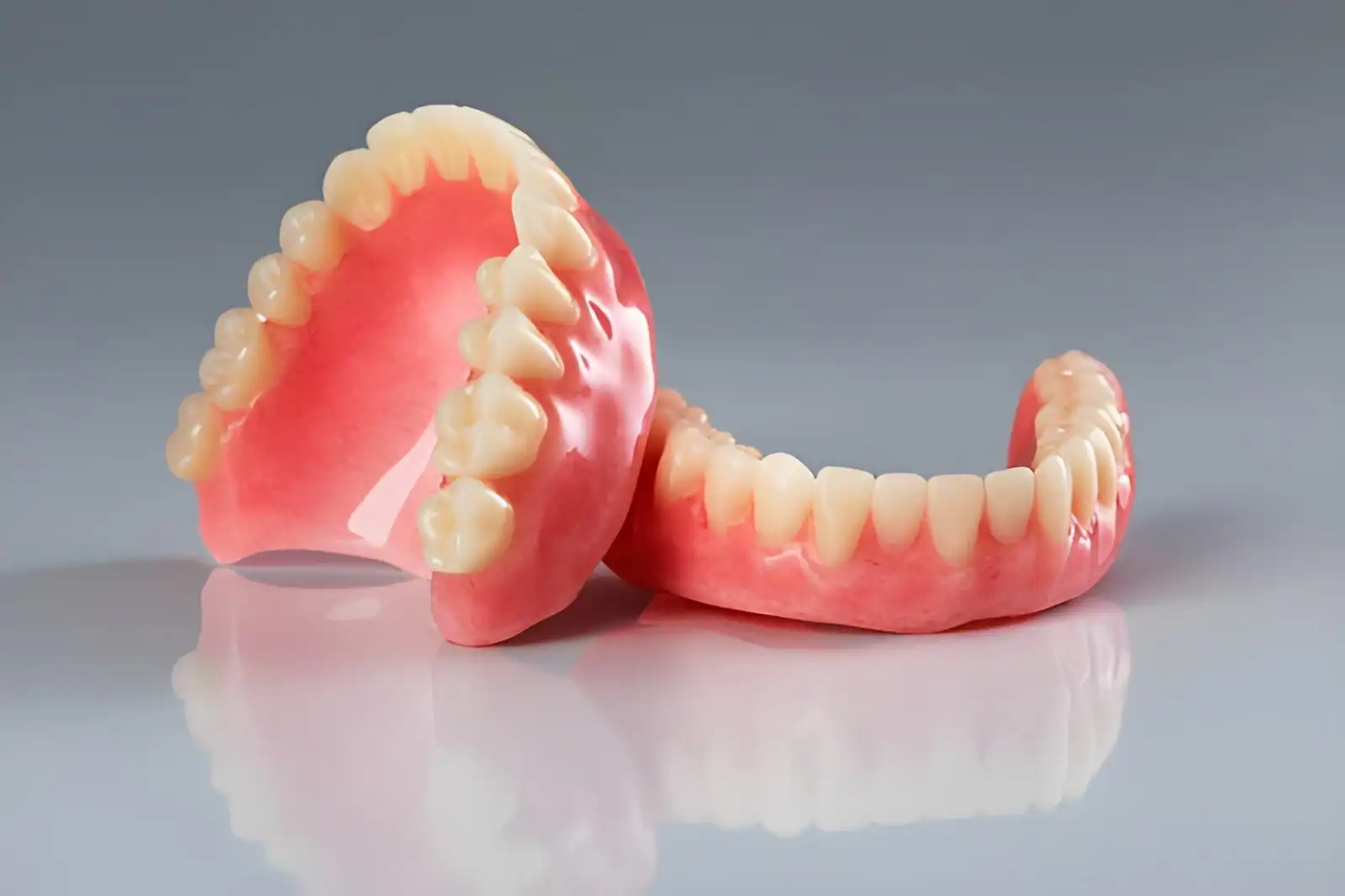
Full dentures, also called complete dentures, are removable appliances that replace a full arch of missing teeth. They rest on the gums and help support facial shape, speech, and chewing.
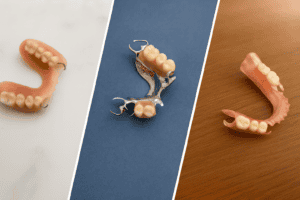
Patients may need full dentures when most or all teeth are missing, loose, damaged, or no longer stable. If you are comparing dentures Meridian, Idaho options, a local provider can explain whether full dentures, partial dentures, immediate dentures, or implant-supported dentures fit your needs.
Conventional Dentures vs. Immediate Dentures
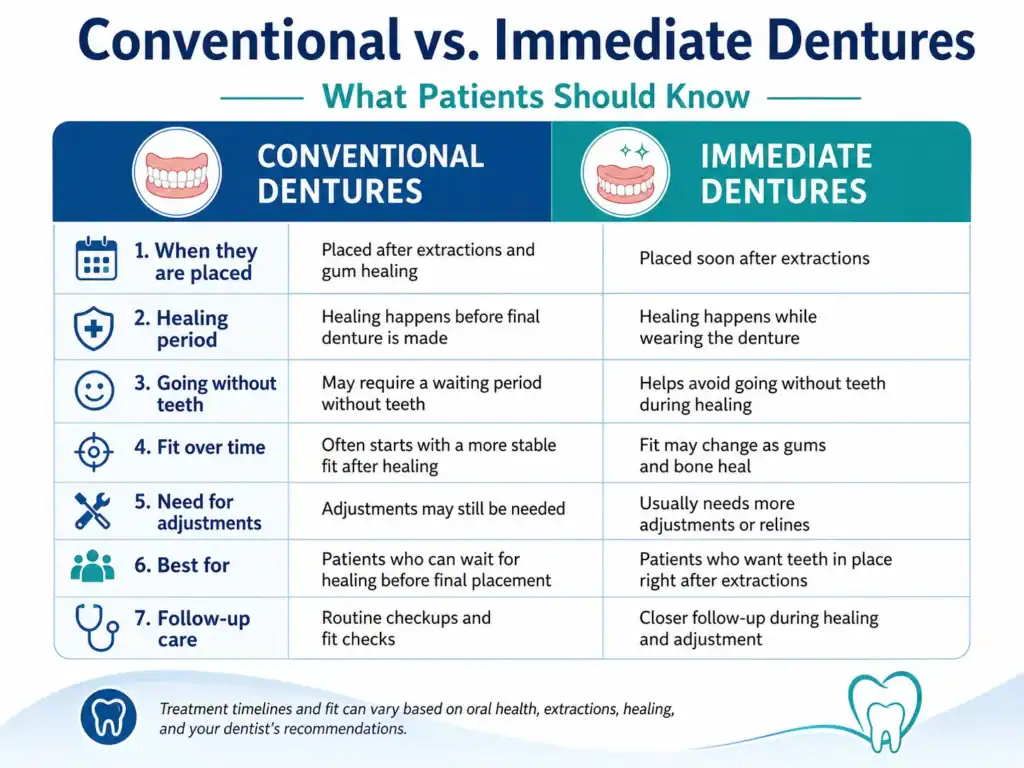
Conventional dentures are made after teeth are removed and the gums have healed. This allows the denture to be created after the mouth has stabilized, but it may require a waiting period.
Immediate dentures are placed soon after extractions, so patients do not have to go without teeth during healing. However, gums and bone change shape after teeth are removed, so immediate dentures often need adjustments or relines.
Patients searching for same-day dentures Meridian ID or immediate dentures Meridian Idaho should know that convenience still comes with follow-up care. Learn more about dentures in Meridian ID if you are considering this option.
Stage 1: Denture Consultation and Exam
The first step is a denture consultation. Your provider reviews your dental history, examines your gums, checks any remaining teeth, and discusses your goals.
This visit may include:
- Oral health review
- Gum and bone evaluation
- Discussion of full mouth dentures Meridian options
- Review of conventional, immediate, or implant-supported dentures
- Estimated treatment timeline
A denture consultation Meridian patients schedule is also the time to ask about appearance, comfort, insurance, cost factors, repairs, and maintenance. Exact pricing should come from the dental office because treatment needs vary.
Stage 2: Extractions, Impressions, and Try-In
Some patients already have no remaining teeth. Others need damaged or failing teeth removed before dentures can be made or placed. If extractions are needed, healing depends on the number of teeth removed, gum health, bone support, and denture type.
Once your mouth is ready, impressions are taken to create a model of your gums and oral structures. Bite records may also be taken to show how your jaws come together. These steps help the lab design dentures that support chewing, speech, and facial appearance.
Many patients also have a try-in appointment before the final denture is completed. Your dentist may check tooth color, tooth shape, smile appearance, bite position, and overall fit. For patients looking for complete dentures in Meridian, ID, this stage helps customize the final result.
Stage 3: Final Placement and Adjustments
When your dentures are ready, your dentist checks fit, bite, pressure points, and comfort. You will also learn how to insert, remove, clean, and store them.
It is normal for new dentures Meridian ID patients to need time to adjust. Your mouth, tongue, cheeks, and gums must learn how to work with the appliance. Mild soreness or rubbing can happen early, but ongoing pain should be checked.
Most patients need several weeks to adjust. You may notice more saliva, speech changes, chewing changes, sore spots, or a bulky feeling. Follow-up visits help improve comfort as your mouth adapts.
Can You Eat Normally With Full Dentures?
Most patients can eat many everyday foods after adjusting, but dentures do not provide the same chewing strength as natural teeth or implants.
Start with soft foods, take small bites, chew on both sides, and avoid very hard or sticky foods at first. If chewing feels painful or unstable, schedule an adjustment.
Patients comparing tooth replacement Meridian, Idaho options may also ask about implant-supported dentures Meridian ID. Implant-supported dentures can provide added stability for qualified patients, but they require enough bone support and a personalized evaluation.
Full Dentures vs. Implant-Supported Dentures
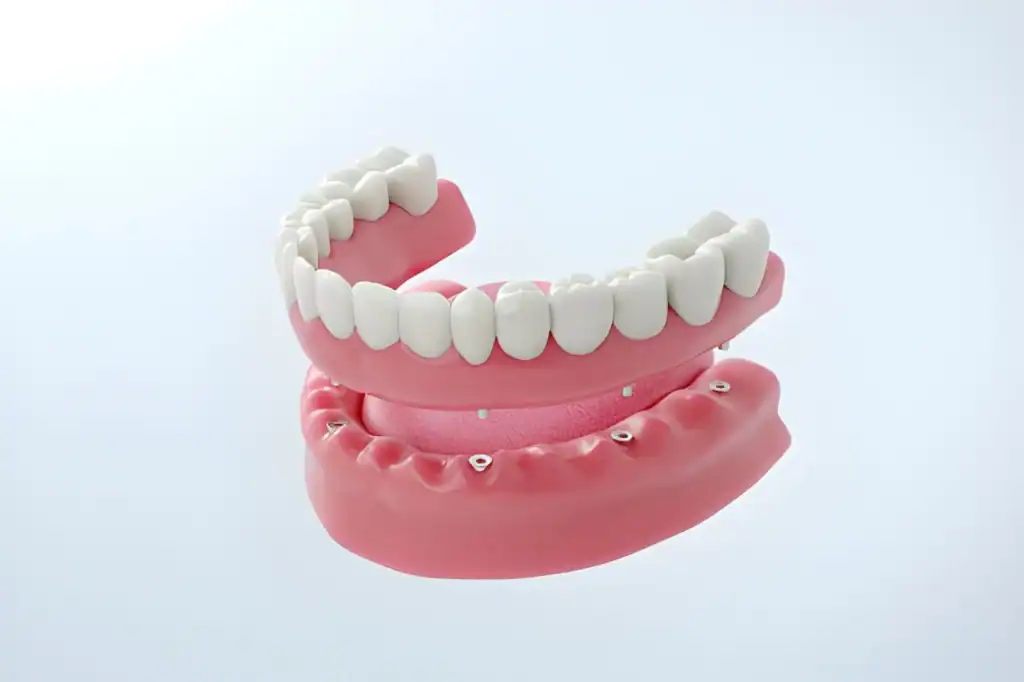
Traditional full dentures rest on the gums and are removable. Implant-supported dentures attach to dental implants placed in the jawbone, which may improve retention and stability.
Traditional dentures may be a good fit for patients who want a removable and often more affordable denture option in Meridian, Idaho. Implant-supported dentures may be better for patients who want added support and qualify for implant treatment. A denture dentist Meridian ID patients trust can explain both options.
Denture Care Tips
Good care helps protect your gums and extend denture life. For more guidance, review the ADA denture care and maintenance resource and the MouthHealthy guide to dentures.
Helpful denture care tips include:
- Rinse dentures after meals
- Brush dentures daily with a nonabrasive cleaner
- Avoid hot water, which may warp dentures
- Soak dentures as directed
- Brush your gums, tongue, and palate daily
- Visit your dentist for routine fit checks
If your denture cracks, breaks, feels loose, or causes sore spots, do not use household glue. Schedule professional denture repair instead.
How Often Do Full Dentures Need Replacement?
Full dentures do not last forever. Gums and jawbone tissue can change shape, and denture teeth can wear down. Many patients eventually need relines, repairs, adjustments, or replacement.
Contact your dentist if dentures feel loose, cause sores, click while speaking, make eating difficult, look worn, or no longer support your face comfortably.
Where Can You Get Full Dentures in Meridian, Idaho?
If you are considering full dentures in Meridian, Idaho, the best next step is a personalized consultation. Every patient has different oral health, comfort needs, and treatment goals.
Patients from Meridian, Boise, Eagle, Nampa, Kuna, and across the Treasure Valley can speak with a local provider about conventional dentures, immediate dentures, repairs, and implant-supported options.
Schedule a full denture consultation to discuss the best path for your smile, comfort, and long-term oral health.
Frequently Asked Questions
What are full dentures?
Full dentures are removable appliances that replace all teeth in the upper jaw, lower jaw, or both. They are custom-made to rest on the gums and help restore the appearance of your smile, support your facial shape, and improve basic chewing and speaking ability.
How long does it take to get full dentures?
The timeline depends on your oral health, whether teeth need to be removed, how quickly your gums heal, and which denture type you choose. Conventional dentures usually require healing time before the final appliance is made, while immediate dentures may be placed sooner but often need more follow-up adjustments.
Are full dentures painful?
Full dentures should not cause ongoing pain, but it is common to feel mild soreness, pressure, or rubbing during the first adjustment period. If sore spots continue, your dentist can make small adjustments to improve the fit and help your mouth adapt more comfortably.
What is the difference between immediate and conventional dentures?
Immediate dentures are placed soon after tooth extractions, so you do not have to go without teeth while your gums heal. Conventional dentures are made after the gums have healed, which can help create a more stable fit from the start but may require a longer waiting period.
Can you eat normally with full dentures?
Many patients need several weeks to adjust to full dentures. During this time, speaking, chewing, and overall comfort usually improve with practice, soft foods, and follow-up appointments for adjustments.